
European Wildcat
The Untamed Guardian of the Wild
🐾 European Wildcat – The Untamed Guardian of the Wild
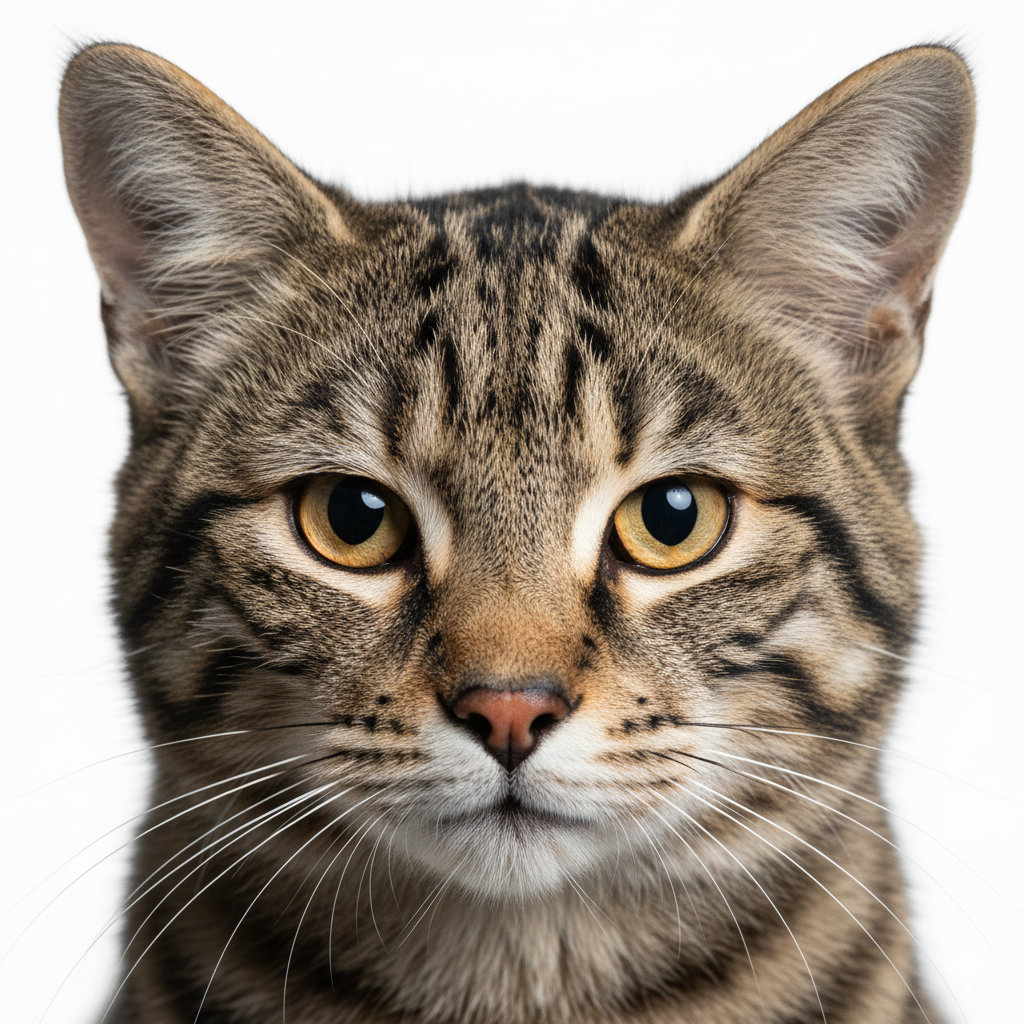
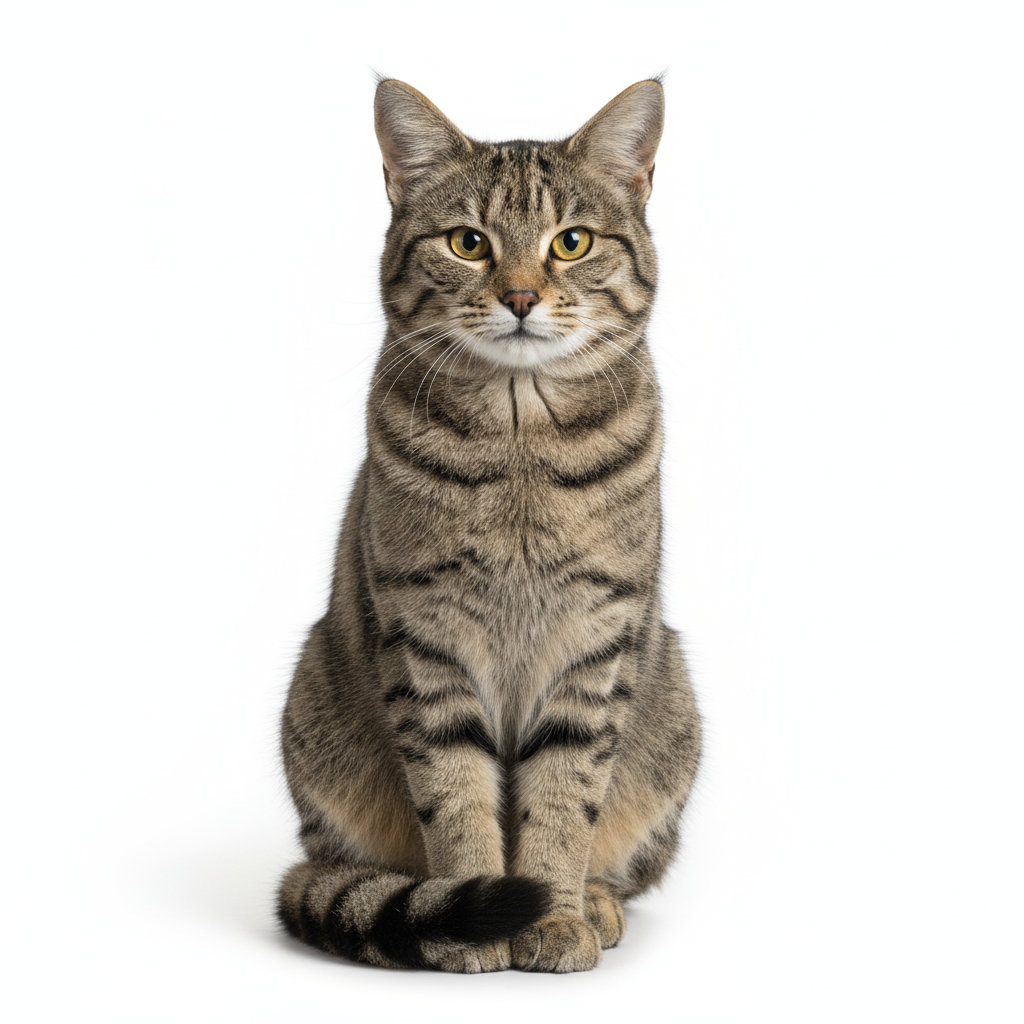
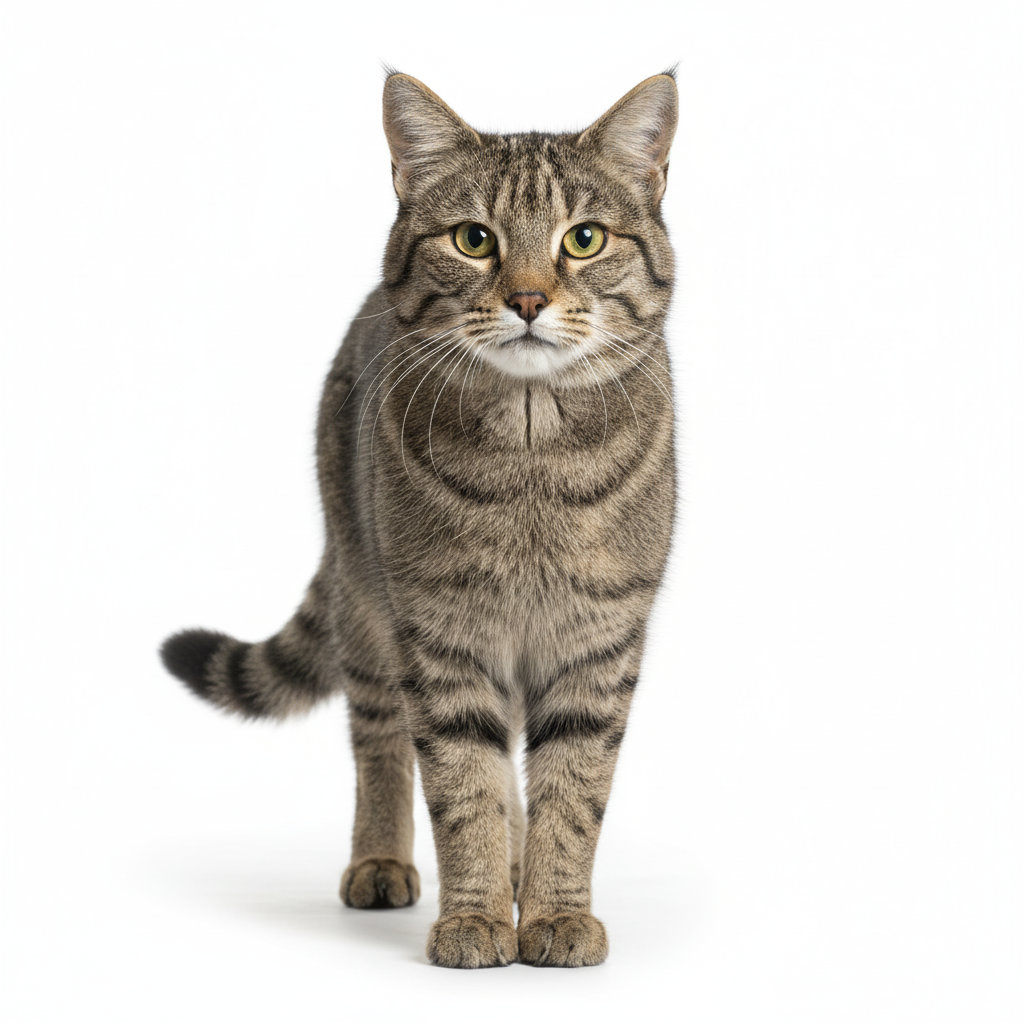
No other feline embodies the raw spirit of independence and wilderness quite like the European Wildcat. Native to the forests and scrublands across Europe, from Scotland to the Balkans, it has roamed as a solitary hunter for thousands of years. Its distinctive tabby markings and piercing eyes evoke the ancestor of all domestic cats. Today, the European Wildcat remains a symbol of untamed nature, elusive and fiercely territorial, reminding us of the wild roots in our feline companions.
📋 Breed Profile
| Origin | Europe (forests and rural areas) |
| Size | Males 50–80 cm body length, females 40–70 cm |
| Weight | 3–8 kg |
| Lifespan | 12–15 years (in the wild; up to 20 in captivity) |
| Fur | Short, dense, weather-resistant |
| Color | Grayish-brown with bold tabby stripes, black-tipped tail |
| Character | Independent, elusive, territorial, nocturnal |
| Suitable for | Wildlife enthusiasts and conservationists; not recommended as pets |
| Living Situation | Wild habitats like woodlands, marshes; avoids human areas |
| Activity Needs | High – natural hunting and exploration |
| Grooming | Minimal; self-grooming in the wild |
🎬 Berühmte Auftritte in Film & Fernsehen
The Wildcat
– Silent film featuring wildcat-inspired characters
March of the Penguins
– Documentary cameos in European wildlife segments
Wild Europe (BBC, 2010) – Featured in natural history series
The Secret Life of Cats
– Exploring wild ancestors
🌀 Kurioses & Fun Facts
- • The European Wildcat is the direct ancestor of the domestic cat, diverging about 9,000 years ago.
- • They can leap up to 1.5 meters high to catch birds.
- • "Felix" the wildcat inspired early cartoon characters.
- • In Scotland, populations have rebounded through conservation efforts.
- • They hiss and spit more aggressively than domestic cats to defend territory.
Wussten Sie schon?
"Felix" the wildcat inspired early cartoon characters.
Überraschend!
Katzen können nicht süß schmecken, da ihnen die entsprechenden Geschmacksrezeptoren fehlen.
🌙 Myths & Cats
In Celtic folklore, the European Wildcat was seen as a guardian spirit of the forests, capable of shape-shifting into human form. Scottish legends describe them as witches' familiars, with their eerie night calls believed to summon storms.
Katzen in der Mythologie
In vielen Kulturen gelten Katzen als mystische Wesen mit übernatürlichen Fähigkeiten. Von der ägyptischen Göttin Bastet bis hin zu den Katzen als Familiare von Hexen im mittelalterlichen Europa haben Katzen stets eine wichtige Rolle in mythologischen Erzählungen gespielt.
🚶 Movement
High daily activity through stalking, climbing, and short bursts of speed. In natural settings, they cover territories up to 3 square km, hunting at dawn and dusk.
👩🦱 Suitable for Which Human Age?
Ideal: Adults with wildlife experience (25–65 years), such as researchers or conservation volunteers. Not Optimal: Families with children or sedentary lifestyles. Children: Not suitable; wild instincts make interaction risky.
Ideal
Adults with wildlife experience (25–65 years), such as researchers or conservation volunteers.